The difference between UX & UI Design: The full guide

1. Definitions
- UX Design: Stands for User Experience Design. It encompasses all aspects of the end-user's interaction with the company, its services, and its products. The goal of UX design is to create products that provide meaningful and relevant experiences to users. This involves the design of the entire process of acquiring and integrating the product, including aspects of branding, design, usability, and function.
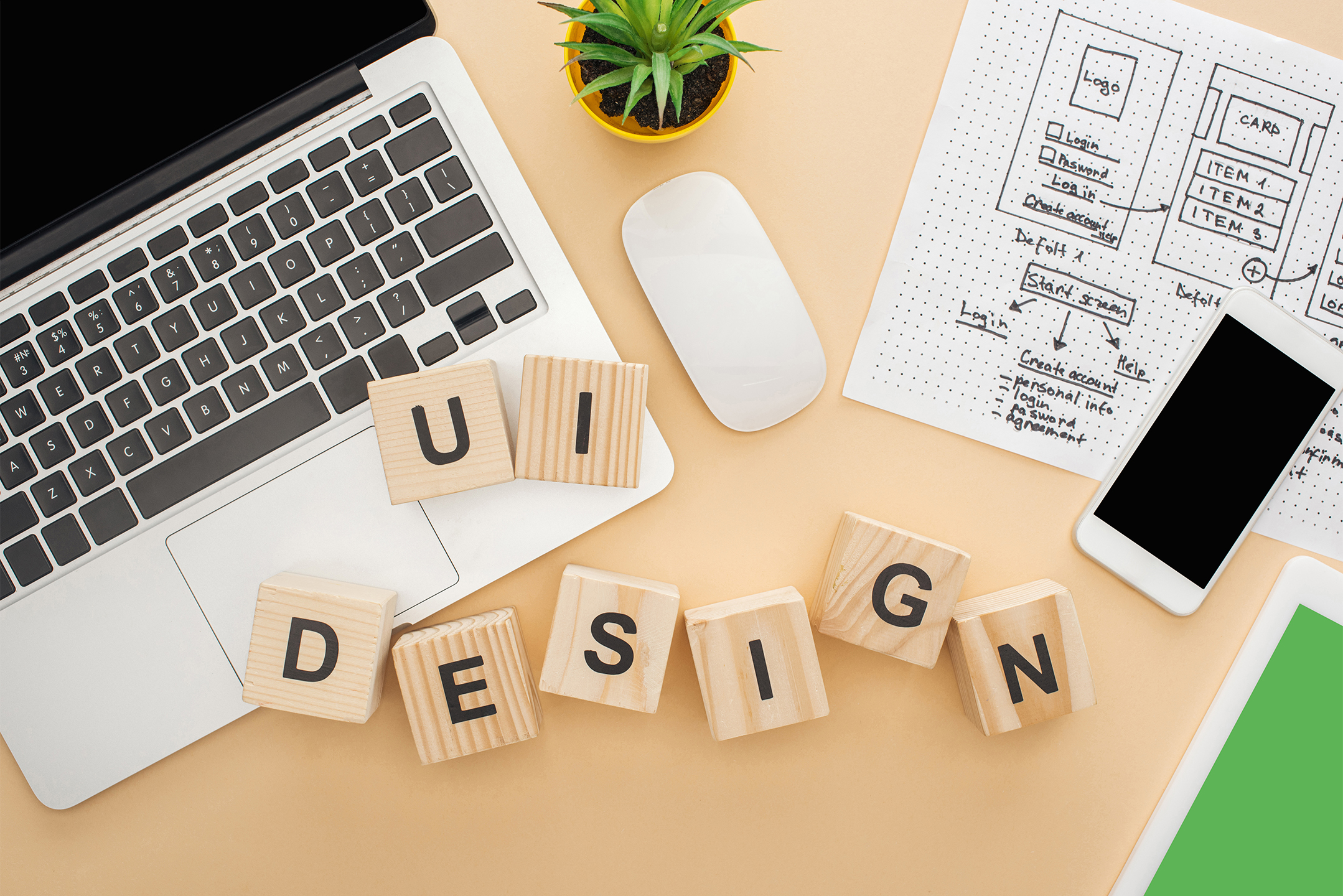
- UI Design: Stands for User Interface Design. It focuses on the look and layout of the product. UI design is the graphical layout of an application, including buttons, text, images, sliders, and all other items the user interacts with. It ensures that the product’s interface is aesthetically pleasing and aligned with the brand's identity.
2. Key Responsibilities
UX Designer Responsibilities:
- Conduct user research and create user personas.
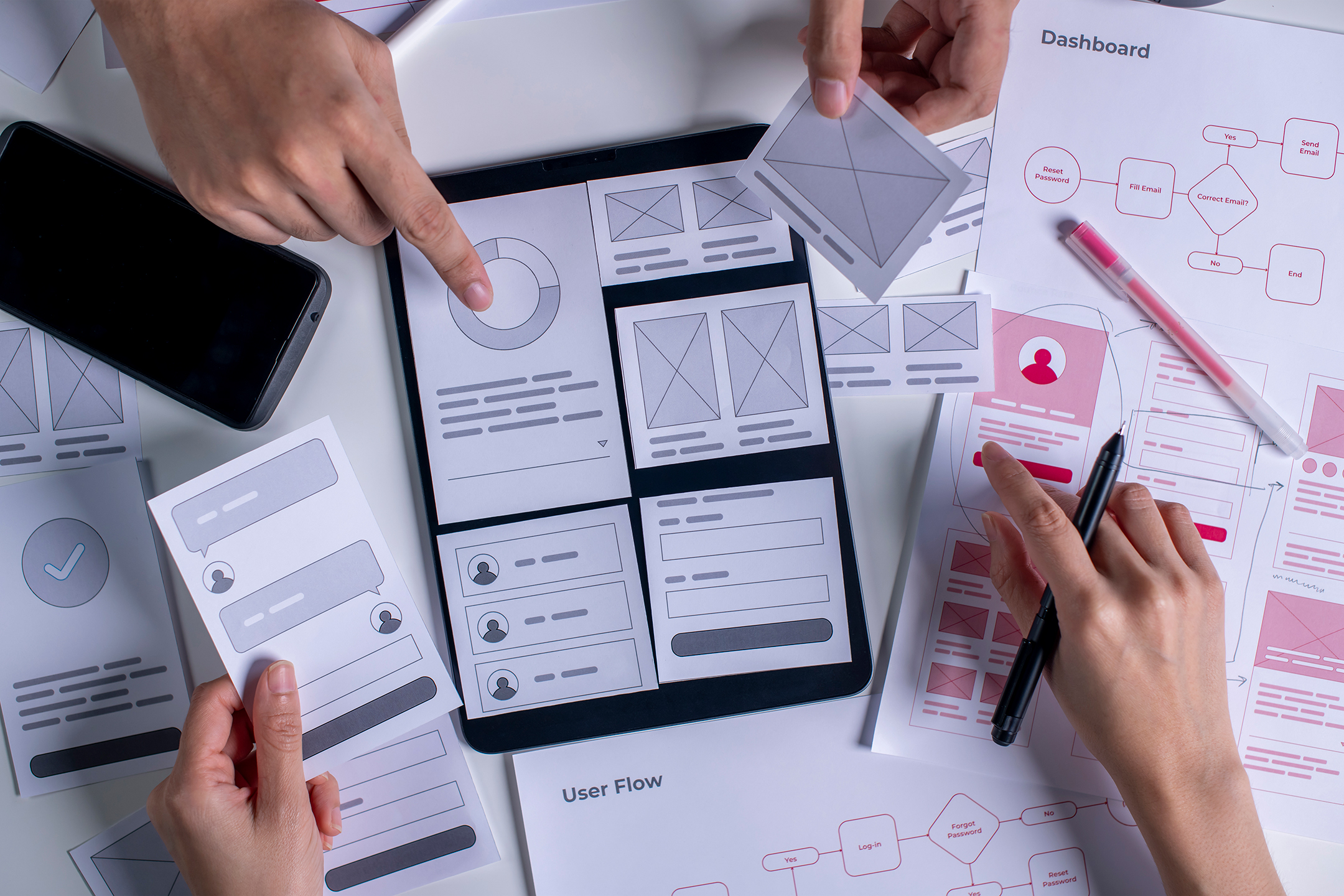
- Design information architecture and wireframes.
- Develop prototypes for testing.
- Perform usability testing and analyze user feedback.
- Collaborate with stakeholders to align business goals with user needs.
UI Designer Responsibilities:
- Design visual elements like buttons, icons, and menus.
- Establish and maintain a consistent style guide.
- Create high-fidelity mockups.
- Ensure responsiveness across different devices and platforms.
- Collaborate with developers to ensure design feasibility.
3. Core Components
UX Design Components:
- User Research: Understanding the target audience’s needs, behaviors, and pain points.
- Wireframing: Creating basic layouts to structure the content and functionality.
- Prototyping: Building interactive models of the design for testing purposes.
- Usability Testing: Gathering feedback to improve the design.
- Information Architecture: Organizing content in a way that is logical and user-friendly.
UI Design Components:
- Visual Design: Crafting the aesthetics of the interface.
- Interactive Design: Designing how users interact with elements.
- Typography: Choosing readable and visually appealing fonts.
- Color Schemes: Selecting colors that enhance usability and brand identity.
- Layout: Structuring the placement of elements for optimal user flow.
4. Tools and Methods
- UX Design : Sketch - Adobe XD - Figma - InVision - Axure
- UI DesignTools : Sketch - Adobe XD - Figma- Figma - Photoshop - Illustrator
5. The Workflow
UX Workflow:
- Research and Analysis
- Personas and Scenarios
- Information Architecture
- Wireframes
- Prototyping
- Testing and Iteration
UI Workflow:
- Design Brief and Requirements Gathering
- Mood Boards and Style Guides
- High-Fidelity Mockups
- Prototyping
- Visual and Interaction Design
- Handoff to Developers
6. Collaboration and Overlap
UX and UI designers often work closely together. While UX focuses on the overall feel of the product, UI focuses on how the product’s interfaces look and function. They overlap in areas such as prototyping and usability testing, ensuring that both the visual and functional aspects of the product are aligned and optimized for the best user experience.
7. Conclusion
In summary, UX design is about enhancing user satisfaction by improving the usability, accessibility, and pleasure provided in the interaction with the product. UI design is about translating the brand’s strengths and visual assets to a product’s interface to enhance the user experience. Both are essential for creating products that are not only functional but also enjoyable to use.
Understanding the differences and how they complement each other is key to developing successful digital products. Whether you’re a designer, developer, or stakeholder, appreciating the roles of UX and UI design will help you create more user-centered products.